
RB
robert bristow-johnson
Thu, Apr 18, 2024 7:32 PM
The payoff is that RCIPE would not have failed in Burlington and Alaska!> That's huge.Any Condorcet method would have that huge payoff. What "huge" benefit does RCIPE have that a simpler Condorcet method doesn't have?Like Condorcet-Plurality or Condorcet-TTR?Or MinMax?I'm not sure it's agreed or wisely assumed that this poll is about the most preferable method for public, governmental election (where the stakes are high and voters have a partisan interest to maximize their own political interests), but I'm sorta assuming that.Then when choosing a method to promote, the actual correctness and fairness of the method is paramount.Then the perception of fairness of the method by the public and by policy makers is important. To satisfy that concern, the method needs to be clear and understandable to the public and to policy makers. This is necessary to get legislation passed.Hare RCV may have a simpler procedure, the Single Transferable Vote, but it doesn't have a simple *pri
nciple* of ethic that it's actually faithful to. Its ethic is its procedure, the STV, essentially saying "This is the right thing to do since this is what we're doing and this is always we had done it.". But that's no justification. It's circular.Condorcet is based primarily on the principle of "One-Person-One-Vote", that our votes must count equally. No enfranchised voter deserves to have their vote count less than some other enfranchised voter.But that means Majority Rule must apply (I don't mean the "majority criterion"). This means that, at the end of the day, if more voters prefer A to B, then B is not elected. If B is elected, then the fewer voters who preferred B had cast votes that were more effective than those larger number of voters preferring A.IRV is not committed to that simple ethic, whereas Condorcet is committed to it. This is essentially the Condorcet criterion.So then the secondary concern would be public perception as well as that of policy makers.
These secondary concerns are the only concerns that differentiate Condorcet methods. It's about how to justify to people why the CW is the right choice to elect. And what rationale there exists for the rare event electing someone when the CW does not exist.
> The payoff is that RCIPE would not have failed in Burlington and Alaska!> That's huge.Any Condorcet method would have that huge payoff. What "huge" benefit does RCIPE have that a simpler Condorcet method doesn't have?Like Condorcet-Plurality or Condorcet-TTR?Or MinMax?I'm not sure it's agreed or wisely assumed that this poll is about the most preferable method for public, governmental election (where the stakes are high and voters have a partisan interest to maximize their own political interests), but I'm sorta assuming that.Then when choosing a method to promote, the actual correctness and fairness of the method is paramount.Then the *perception* of fairness of the method by the public and by policy makers is important. To satisfy that concern, the method needs to be clear and understandable to the public and to policy makers. This is necessary to get legislation passed.Hare RCV may have a simpler procedure, the Single Transferable Vote, but it doesn't have a simple *pri
nciple* of ethic that it's actually faithful to. Its ethic is its procedure, the STV, essentially saying "This is the right thing to do since this is what we're doing and this is always we had done it.". But that's no justification. It's circular.Condorcet is based primarily on the principle of "One-Person-One-Vote", that our votes must count equally. No enfranchised voter deserves to have their vote count less than some other enfranchised voter.But that means Majority Rule must apply (I don't mean the "majority criterion"). This means that, at the end of the day, if more voters prefer A to B, then B is not elected. If B is elected, then the fewer voters who preferred B had cast votes that were more effective than those larger number of voters preferring A.IRV is not committed to that simple ethic, whereas Condorcet is committed to it. This is essentially the Condorcet criterion.So then the secondary concern would be public perception as well as that of policy makers.
These secondary concerns are the only concerns that differentiate Condorcet methods. It's about how to justify to people why the CW is the right choice to elect. And what rationale there exists for the rare event electing someone when the CW does not exist.

RT
Richard, the VoteFair guy
Sun, Apr 21, 2024 6:28 PM
On 4/18/2024 12:32 PM, robert bristow-johnson wrote:
The payoff is that RCIPE would not have failed in Burlington and Alaska!
That's huge.
Any Condorcet method would have that huge payoff. What "huge" benefit
does RCIPE have that a simpler Condorcet method doesn't have?
Like Condorcet-Plurality or Condorcet-TTR?
Or MinMax?
Condorcet methods require explaining pairwise comparisons between every
candidate and every other candidate. That's a significant disadvantage
for voter education. And voter understanding. And voter trust.
In contrast, I have never heard anyone claim that a pairwise losing
candidate doesn't deserve to be eliminated.
Regarding the simplicity advantage, the RCIPE (Ranked Choice Including
Pairwise Elimination) method only needs two simple sentences added to a
well-written IRV law:
"Pairwise losing candidates are eliminated when they occur. A pairwise
losing candidate is a candidate who would lose every one-on-one contest
against every other remaining candidate."
Robert, I know you strongly dislike the misrepresentations from the
FairVote organization. I too dislike those misrepresentations. (I've
been hearing them for the three decades since I got the VoteFair domain
name.)
Yet I do not share your opinion that those misrepresentations justify
your low opinion of IRV as being worse than plurality (if I recall your
poll ballot correctly).
Specifically, unlike you/Robert, I see value in these aspects of IRV:
-
Uses ranked choice ballots (like Condorcet methods, unlike score,
unlike Star, unlike Approval)
-
Eliminating one candidate at a time can work well if the eliminated
candidate is really the least popular candidate during that counting round.
-
When a counting round does not include a pairwise losing candidate,
eliminating the IRV-based fewest-transferred-votes candidate is a
reasonable cycle-resolution method. In particular it's cloneproof, but
without the complexity of the Schulze method.
So in my opinion, adding the elimination of pairwise losing candidates
elevates the resulting method, RCIPE, to the top of my poll ballot.
It offers both math advantages and
easy-for-voters-to-understand-and-trust advantages.
In contrast, most voters don't trust starting with the idea of creating
a full pairwise counting matrix and then looking for a candidate who
wins every one of their pairwise contests. That's why Condorcet methods
have been so easy for FairVote and other organizations to criticize and
dismiss. And why it's so difficult for us math-savvy experts to explain
to non-math folks.
As I indicated in my poll ballot, RCIPE is "simple, almost Condorcet,
almost cloneproof."
Richard Fobes
The VoteFair guy
On 4/18/2024 12:32 PM, robert bristow-johnson wrote:
... [see above]
I'm not sure it's agreed or wisely assumed that this poll is about the
most preferable method for public, governmental election (where the
stakes are high and voter s have a partisan interest to maximize their
own political interests), but I'm sorta assuming that.
Then when choosing a method to promote, the actual correctness and
fairness of the method is paramount.
Then the perception of fairness of the method by the public and by
policy makers is important. To satisfy that concern, the method needs
to be clear and understandable to the public and to policy makers. This
is necessary to get legislation passed.
Hare RCV may have a simpler procedure, the Single Transferable Vote, but
it doesn't have a simple principle of ethic that it's actually
faithful to. Its ethic is its procedure, the STV, essentially saying
"This is the right thing to do since this is what we're doing and this
is always we had done it.". But that's no justification. It's circular.
Condorcet is based primarily on the principle of "One-Person-One-Vote",
that our votes must count equally. No enfranchised voter deserves to
have their vote count less than some other enfranchised voter.
But that means Majority Rule must apply (I don't mean the "majority
criterion"). This means that, at the end of the day, if more voters
prefer A to B, then B is not elected. If B is elected, then the fewer
voters who preferred B had cast votes that were more effective than
those larger number of voters preferring A.
IRV is not committed to that simple ethic, whereas Condorcet is
committed to it. This is essentially the Condorcet criterion.
So then the secondary concern would be public perception as well as that
of policy makers. These secondary concerns are the only concerns that
differentiate Condorcet methods. It's about how to justify to people
why the CW is the right choice to elect. And what rationale there
exists for the rare event electing someone when the CW does not exist.
On 4/18/2024 12:32 PM, robert bristow-johnson wrote:
>
> > The payoff is that RCIPE would not have failed in Burlington and Alaska!
>> That's huge.
>
> Any Condorcet method would have that huge payoff. What "huge" benefit
> does RCIPE have that a simpler Condorcet method doesn't have?
>
> Like Condorcet-Plurality or Condorcet-TTR?
>
> Or MinMax?
Condorcet methods require explaining pairwise comparisons between every
candidate and every other candidate. That's a significant disadvantage
for voter education. And voter understanding. And voter trust.
In contrast, I have never heard anyone claim that a pairwise losing
candidate doesn't deserve to be eliminated.
Regarding the simplicity advantage, the RCIPE (Ranked Choice Including
Pairwise Elimination) method only needs two simple sentences added to a
well-written IRV law:
"Pairwise losing candidates are eliminated when they occur. A pairwise
losing candidate is a candidate who would lose every one-on-one contest
against every other remaining candidate."
Robert, I know you strongly dislike the misrepresentations from the
FairVote organization. I too dislike those misrepresentations. (I've
been hearing them for the three decades since I got the VoteFair domain
name.)
Yet I do not share your opinion that those misrepresentations justify
your low opinion of IRV as being worse than plurality (if I recall your
poll ballot correctly).
Specifically, unlike you/Robert, I see value in these aspects of IRV:
* Uses ranked choice ballots (like Condorcet methods, unlike score,
unlike Star, unlike Approval)
* Eliminating one candidate at a time can work well if the eliminated
candidate is really the least popular candidate during that counting round.
* When a counting round does not include a pairwise losing candidate,
eliminating the IRV-based fewest-transferred-votes candidate is a
reasonable cycle-resolution method. In particular it's cloneproof, but
without the complexity of the Schulze method.
So in my opinion, adding the elimination of pairwise losing candidates
elevates the resulting method, RCIPE, to the top of my poll ballot.
It offers both math advantages and
easy-for-voters-to-understand-and-trust advantages.
In contrast, most voters don't trust starting with the idea of creating
a full pairwise counting matrix and then looking for a candidate who
wins every one of their pairwise contests. That's why Condorcet methods
have been so easy for FairVote and other organizations to criticize and
dismiss. And why it's so difficult for us math-savvy experts to explain
to non-math folks.
As I indicated in my poll ballot, RCIPE is "simple, almost Condorcet,
almost cloneproof."
Richard Fobes
The VoteFair guy
On 4/18/2024 12:32 PM, robert bristow-johnson wrote:
> ... [see above]
>
> I'm not sure it's agreed or wisely assumed that this poll is about the
> most preferable method for public, governmental election (where the
> stakes are high and voter s have a partisan interest to maximize their
> own political interests), but I'm sorta assuming that.
>
> Then when choosing a method to promote, the actual correctness and
> fairness of the method is paramount.
>
> Then the *perception* of fairness of the method by the public and by
> policy makers is important. To satisfy that concern, the method needs
> to be clear and understandable to the public and to policy makers. This
> is necessary to get legislation passed.
>
> Hare RCV may have a simpler procedure, the Single Transferable Vote, but
> it doesn't have a simple *principle* of ethic that it's actually
> faithful to. Its ethic is its procedure, the STV, essentially saying
> "This is the right thing to do since this is what we're doing and this
> is always we had done it.". But that's no justification. It's circular.
>
> Condorcet is based primarily on the principle of "One-Person-One-Vote",
> that our votes must count equally. No enfranchised voter deserves to
> have their vote count less than some other enfranchised voter.
>
> But that means Majority Rule must apply (I don't mean the "majority
> criterion"). This means that, at the end of the day, if more voters
> prefer A to B, then B is not elected. If B is elected, then the fewer
> voters who preferred B had cast votes that were more effective than
> those larger number of voters preferring A.
>
> IRV is not committed to that simple ethic, whereas Condorcet is
> committed to it. This is essentially the Condorcet criterion.
>
> So then the secondary concern would be public perception as well as that
> of policy makers. These secondary concerns are the only concerns that
> differentiate Condorcet methods. It's about how to justify to people
> why the CW is the right choice to elect. And what rationale there
> exists for the rare event electing someone when the CW does not exist.

CL
Closed Limelike Curves
Sun, Apr 21, 2024 9:14 PM
Condorcet methods require explaining pairwise comparisons between every
candidate and every other candidate. That's a significant disadvantage
for voter education. And voter understanding. And voter trust.
In contrast, I have never heard anyone claim that a pairwise losing
candidate doesn't deserve to be eliminated.
Isn't that describing pairwise-comparison?
I don't think pairwise-comparison methods are complicated. In fact, they're
mostly simple. The problem is that the people who keep explaining are
computer scientists who care more about explaining their fastest
algorithmic implementation than about properly communicating what's going
on.
Even Schulze isn't that complicated compared to IRV. Here's
https://democracychronicles.org/schulze-questioning-a-popular-ranked-voting-system/
a
lightly-edited description from @Michael Ossipoff email9648742@gmail.com (I
rename "beatpaths" to "vote-chains" to let me use a common aphorism).
Imagine if Schulze described his method like this when he first proposed it:
I'd like to propose a voting method I call the weakest link method. It's
based on the idea of allowing candidates to count indirect wins. In
other words, if a candidate Alice beats Bob, and Bob beats Charlie, then
Alice is thought of as having "indirectly" beaten Charlie. Here's how I
define this:
- If X beats Y, then the strength of that victory is measured by the
number of voters ranking X over Y.
2. Candidates are allowed to beat each other indirectly, too. We say X has
an indirect win, or* votechain-win*, going to Y if either most people
rank X over Y, or if X beats someone with a votechain to Y.
3. A chain is only as strong as its weakest link. So, the strength of a
votechain is the strength of the weakest victory in that votechain.
- If there is a stronger votechain from X to Y, than from Y to X, then X
has a votechain-win over Y.
5. The winner is the candidate with a votechain-win over everyone else.
Markus Schulze with better communication skills
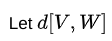
It's... really not that complicated to understand. Now, let's take a look
at how it's explained on Wikipedia:
[image: image.png]
Two words in and we're already using LaTeX and at least three different
one-letter variable names. All hope of reaching the average person has been
lost. The problem isn't with the methods, it's with all of these methods
being written as though they were mathematical papers rather than being
intended for the public.
Tongue-in-cheek proposal: anyone on this mailing list who's gotten into
arguments about winning votes vs. margins, whether cardinal methods really
satisfy IIA because some people normalize their ballots, etc. is hereby
disqualified from talking to any normal person (on pain of causing more
damage to the public's understanding of voting methods).
On Sun, Apr 21, 2024 at 11:29 AM Richard, the VoteFair guy <
electionmethods@votefair.org> wrote:
On 4/18/2024 12:32 PM, robert bristow-johnson wrote:
The payoff is that RCIPE would not have failed in Burlington and
Any Condorcet method would have that huge payoff. What "huge" benefit
does RCIPE have that a simpler Condorcet method doesn't have?
Like Condorcet-Plurality or Condorcet-TTR?
Or MinMax?
Condorcet methods require explaining pairwise comparisons between every
candidate and every other candidate. That's a significant disadvantage
for voter education. And voter understanding. And voter trust.
In contrast, I have never heard anyone claim that a pairwise losing
candidate doesn't deserve to be eliminated.
Regarding the simplicity advantage, the RCIPE (Ranked Choice Including
Pairwise Elimination) method only needs two simple sentences added to a
well-written IRV law:
"Pairwise losing candidates are eliminated when they occur. A pairwise
losing candidate is a candidate who would lose every one-on-one contest
against every other remaining candidate."
Robert, I know you strongly dislike the misrepresentations from the
FairVote organization. I too dislike those misrepresentations. (I've
been hearing them for the three decades since I got the VoteFair domain
name.)
Yet I do not share your opinion that those misrepresentations justify
your low opinion of IRV as being worse than plurality (if I recall your
poll ballot correctly).
Specifically, unlike you/Robert, I see value in these aspects of IRV:
-
Uses ranked choice ballots (like Condorcet methods, unlike score,
unlike Star, unlike Approval)
-
Eliminating one candidate at a time can work well if the eliminated
candidate is really the least popular candidate during that counting round.
-
When a counting round does not include a pairwise losing candidate,
eliminating the IRV-based fewest-transferred-votes candidate is a
reasonable cycle-resolution method. In particular it's cloneproof, but
without the complexity of the Schulze method.
So in my opinion, adding the elimination of pairwise losing candidates
elevates the resulting method, RCIPE, to the top of my poll ballot.
It offers both math advantages and
easy-for-voters-to-understand-and-trust advantages.
In contrast, most voters don't trust starting with the idea of creating
a full pairwise counting matrix and then looking for a candidate who
wins every one of their pairwise contests. That's why Condorcet methods
have been so easy for FairVote and other organizations to criticize and
dismiss. And why it's so difficult for us math-savvy experts to explain
to non-math folks.
As I indicated in my poll ballot, RCIPE is "simple, almost Condorcet,
almost cloneproof."
Richard Fobes
The VoteFair guy
On 4/18/2024 12:32 PM, robert bristow-johnson wrote:
... [see above]
I'm not sure it's agreed or wisely assumed that this poll is about the
most preferable method for public, governmental election (where the
stakes are high and voter s have a partisan interest to maximize their
own political interests), but I'm sorta assuming that.
Then when choosing a method to promote, the actual correctness and
fairness of the method is paramount.
Then the perception of fairness of the method by the public and by
policy makers is important. To satisfy that concern, the method needs
to be clear and understandable to the public and to policy makers. This
is necessary to get legislation passed.
Hare RCV may have a simpler procedure, the Single Transferable Vote, but
it doesn't have a simple principle of ethic that it's actually
faithful to. Its ethic is its procedure, the STV, essentially saying
"This is the right thing to do since this is what we're doing and this
is always we had done it.". But that's no justification. It's circular.
Condorcet is based primarily on the principle of "One-Person-One-Vote",
that our votes must count equally. No enfranchised voter deserves to
have their vote count less than some other enfranchised voter.
But that means Majority Rule must apply (I don't mean the "majority
criterion"). This means that, at the end of the day, if more voters
prefer A to B, then B is not elected. If B is elected, then the fewer
voters who preferred B had cast votes that were more effective than
those larger number of voters preferring A.
IRV is not committed to that simple ethic, whereas Condorcet is
committed to it. This is essentially the Condorcet criterion.
So then the secondary concern would be public perception as well as that
of policy makers. These secondary concerns are the only concerns that
differentiate Condorcet methods. It's about how to justify to people
why the CW is the right choice to elect. And what rationale there
exists for the rare event electing someone when the CW does not exist.
>
> Condorcet methods require explaining pairwise comparisons between every
> candidate and every other candidate. That's a significant disadvantage
> for voter education. And voter understanding. And voter trust.
In contrast, I have never heard anyone claim that a pairwise losing
candidate doesn't deserve to be eliminated.
Isn't that describing pairwise-comparison?
I don't think pairwise-comparison methods are complicated. In fact, they're
mostly simple. The problem is that the people who keep explaining are
computer scientists who care more about explaining their fastest
algorithmic implementation than about properly communicating what's going
on.
Even *Schulze* isn't that complicated compared to IRV. Here's
<https://democracychronicles.org/schulze-questioning-a-popular-ranked-voting-system/>
a
lightly-edited description from @Michael Ossipoff <email9648742@gmail.com> (I
rename "beatpaths" to "vote-chains" to let me use a common aphorism).
Imagine if Schulze described his method like this when he first proposed it:
> I'd like to propose a voting method I call the *weakest link* *method*. It's
> based on the idea of allowing candidates to count *indirect wins*. In
> other words, if a candidate Alice beats Bob, and Bob beats Charlie, then
> Alice is thought of as having "indirectly" beaten Charlie. Here's how I
> define this:
1. If X beats Y, then the strength of that victory is measured by the
> number of voters ranking X over Y.
> 2. Candidates are allowed to beat each other indirectly, too. We say X has
> an indirect win, or* votechain-win*, going to Y if either most people
> rank X over Y, or if X beats someone with a votechain to Y.
> 3. A chain is only as strong as its weakest link. So, the strength of a
> votechain is the strength of the weakest victory in that votechain.
4. If there is a stronger votechain from X to Y, than from Y to X, then X
> has a votechain-win over Y.
> 5. The winner is the candidate with a votechain-win over everyone else.
>
Sincerely,
>
Markus Schulze with better communication skills
It's... really not that complicated to understand. Now, let's take a look
at how it's explained on Wikipedia:
[image: image.png]
Two words in and we're already using LaTeX and at least three different
one-letter variable names. All hope of reaching the average person has been
lost. The problem isn't with the methods, it's with all of these methods
being written as though they were mathematical papers rather than being
intended for the public.
Tongue-in-cheek proposal: anyone on this mailing list who's gotten into
arguments about winning votes vs. margins, whether cardinal methods *really*
satisfy IIA because some people normalize their ballots, etc. is hereby
disqualified from talking to any normal person (on pain of causing more
damage to the public's understanding of voting methods).
On Sun, Apr 21, 2024 at 11:29 AM Richard, the VoteFair guy <
electionmethods@votefair.org> wrote:
> On 4/18/2024 12:32 PM, robert bristow-johnson wrote:
> >
> > > The payoff is that RCIPE would not have failed in Burlington and
> Alaska!
> >> That's huge.
> >
> > Any Condorcet method would have that huge payoff. What "huge" benefit
> > does RCIPE have that a simpler Condorcet method doesn't have?
> >
> > Like Condorcet-Plurality or Condorcet-TTR?
> >
> > Or MinMax?
>
> Condorcet methods require explaining pairwise comparisons between every
> candidate and every other candidate. That's a significant disadvantage
> for voter education. And voter understanding. And voter trust.
>
> In contrast, I have never heard anyone claim that a pairwise losing
> candidate doesn't deserve to be eliminated.
>
> Regarding the simplicity advantage, the RCIPE (Ranked Choice Including
> Pairwise Elimination) method only needs two simple sentences added to a
> well-written IRV law:
>
> "Pairwise losing candidates are eliminated when they occur. A pairwise
> losing candidate is a candidate who would lose every one-on-one contest
> against every other remaining candidate."
>
> Robert, I know you strongly dislike the misrepresentations from the
> FairVote organization. I too dislike those misrepresentations. (I've
> been hearing them for the three decades since I got the VoteFair domain
> name.)
>
> Yet I do not share your opinion that those misrepresentations justify
> your low opinion of IRV as being worse than plurality (if I recall your
> poll ballot correctly).
>
> Specifically, unlike you/Robert, I see value in these aspects of IRV:
>
> * Uses ranked choice ballots (like Condorcet methods, unlike score,
> unlike Star, unlike Approval)
>
> * Eliminating one candidate at a time can work well if the eliminated
> candidate is really the least popular candidate during that counting round.
>
> * When a counting round does not include a pairwise losing candidate,
> eliminating the IRV-based fewest-transferred-votes candidate is a
> reasonable cycle-resolution method. In particular it's cloneproof, but
> without the complexity of the Schulze method.
>
> So in my opinion, adding the elimination of pairwise losing candidates
> elevates the resulting method, RCIPE, to the top of my poll ballot.
>
> It offers both math advantages and
> easy-for-voters-to-understand-and-trust advantages.
>
> In contrast, most voters don't trust starting with the idea of creating
> a full pairwise counting matrix and then looking for a candidate who
> wins every one of their pairwise contests. That's why Condorcet methods
> have been so easy for FairVote and other organizations to criticize and
> dismiss. And why it's so difficult for us math-savvy experts to explain
> to non-math folks.
>
> As I indicated in my poll ballot, RCIPE is "simple, almost Condorcet,
> almost cloneproof."
>
> Richard Fobes
> The VoteFair guy
>
>
> On 4/18/2024 12:32 PM, robert bristow-johnson wrote:
> > ... [see above]
> >
> > I'm not sure it's agreed or wisely assumed that this poll is about the
> > most preferable method for public, governmental election (where the
> > stakes are high and voter s have a partisan interest to maximize their
> > own political interests), but I'm sorta assuming that.
> >
> > Then when choosing a method to promote, the actual correctness and
> > fairness of the method is paramount.
> >
> > Then the *perception* of fairness of the method by the public and by
> > policy makers is important. To satisfy that concern, the method needs
> > to be clear and understandable to the public and to policy makers. This
> > is necessary to get legislation passed.
> >
> > Hare RCV may have a simpler procedure, the Single Transferable Vote, but
> > it doesn't have a simple *principle* of ethic that it's actually
> > faithful to. Its ethic is its procedure, the STV, essentially saying
> > "This is the right thing to do since this is what we're doing and this
> > is always we had done it.". But that's no justification. It's circular.
> >
> > Condorcet is based primarily on the principle of "One-Person-One-Vote",
> > that our votes must count equally. No enfranchised voter deserves to
> > have their vote count less than some other enfranchised voter.
> >
> > But that means Majority Rule must apply (I don't mean the "majority
> > criterion"). This means that, at the end of the day, if more voters
> > prefer A to B, then B is not elected. If B is elected, then the fewer
> > voters who preferred B had cast votes that were more effective than
> > those larger number of voters preferring A.
> >
> > IRV is not committed to that simple ethic, whereas Condorcet is
> > committed to it. This is essentially the Condorcet criterion.
> >
> > So then the secondary concern would be public perception as well as that
> > of policy makers. These secondary concerns are the only concerns that
> > differentiate Condorcet methods. It's about how to justify to people
> > why the CW is the right choice to elect. And what rationale there
> > exists for the rare event electing someone when the CW does not exist.
> ----
> Election-Methods mailing list - see https://electorama.com/em for list
> info
>

KV
Kevin Venzke
Sun, Apr 21, 2024 11:11 PM
Condorcet methods require explaining pairwise comparisons between every
candidate and every other candidate. That's a significant disadvantage
for voter education. And voter understanding. And voter trust.
In contrast, I have never heard anyone claim that a pairwise losing
candidate doesn't deserve to be eliminated.
Regarding the simplicity advantage, the RCIPE (Ranked Choice Including
Pairwise Elimination) method only needs two simple sentences added to a
well-written IRV law:
From a marketability standpoint I kind of like RCIPE. If your audience
understands IRV then they probably can understand the concept of a candidacy
that has become futile during the count, who can be foretold to be a loser
well in advance of the end.
To me it is not that the pairwise losing candidate "deserves to be
eliminated" but that within the logic of IRV it's intuitive that that
candidate shouldn't need to play a role, affecting things, if they're doomed
to lose. (Or perhaps it's just me who thinks that's intuitive.)
In contrast the "beats all" winner concept would be a bridge too far,
because while there might be a candidate who can win every final pairing,
IRV imposes additional requirements to get to that point, so nothing is
assured about that status.
But if the audience doesn't know IRV then it would be harder for me to find
an argument for RCIPE.
Kevin
votingmethods.net
Hello,
Richard, the VoteFair guy <electionmethods@votefair.org> a écrit :
> Condorcet methods require explaining pairwise comparisons between every
> candidate and every other candidate. That's a significant disadvantage
> for voter education. And voter understanding. And voter trust.
>
> In contrast, I have never heard anyone claim that a pairwise losing
> candidate doesn't deserve to be eliminated.
>
> Regarding the simplicity advantage, the RCIPE (Ranked Choice Including
> Pairwise Elimination) method only needs two simple sentences added to a
> well-written IRV law:
>From a marketability standpoint I kind of like RCIPE. If your audience
understands IRV then they probably can understand the concept of a candidacy
that has become futile during the count, who can be foretold to be a loser
well in advance of the end.
To me it is not that the pairwise losing candidate "deserves to be
eliminated" but that within the logic of IRV it's intuitive that that
candidate shouldn't need to play a role, affecting things, if they're doomed
to lose. (Or perhaps it's just me who thinks that's intuitive.)
In contrast the "beats all" winner concept would be a bridge too far,
because while there might be a candidate who can win every final pairing,
IRV imposes additional requirements to get to that point, so nothing is
assured about that status.
But if the audience doesn't know IRV then it would be harder for me to find
an argument for RCIPE.
Kevin
votingmethods.net

KM
Kristofer Munsterhjelm
Sun, Apr 21, 2024 11:33 PM
On 2024-04-22 01:11, Kevin Venzke wrote:
Hello,
From a marketability standpoint I kind of like RCIPE. If your audience
understands IRV then they probably can understand the concept of a candidacy
that has become futile during the count, who can be foretold to be a loser
well in advance of the end.
To me it is not that the pairwise losing candidate "deserves to be
eliminated" but that within the logic of IRV it's intuitive that that
candidate shouldn't need to play a role, affecting things, if they're doomed
to lose. (Or perhaps it's just me who thinks that's intuitive.)
In contrast the "beats all" winner concept would be a bridge too far,
because while there might be a candidate who can win every final pairing,
IRV imposes additional requirements to get to that point, so nothing is
assured about that status.
But if the audience doesn't know IRV then it would be harder for me to find
an argument for RCIPE.
What do you think of BTR-IRV in that respect? Or Borda-elimination?
Neither explicitly checks for a Condorcet winner.
-km
On 2024-04-22 01:11, Kevin Venzke wrote:
> Hello,
>
> From a marketability standpoint I kind of like RCIPE. If your audience
> understands IRV then they probably can understand the concept of a candidacy
> that has become futile during the count, who can be foretold to be a loser
> well in advance of the end.
>
> To me it is not that the pairwise losing candidate "deserves to be
> eliminated" but that within the logic of IRV it's intuitive that that
> candidate shouldn't need to play a role, affecting things, if they're doomed
> to lose. (Or perhaps it's just me who thinks that's intuitive.)
>
> In contrast the "beats all" winner concept would be a bridge too far,
> because while there might be a candidate who can win every final pairing,
> IRV imposes additional requirements to get to that point, so nothing is
> assured about that status.
>
> But if the audience doesn't know IRV then it would be harder for me to find
> an argument for RCIPE.
What do you think of BTR-IRV in that respect? Or Borda-elimination?
Neither explicitly checks for a Condorcet winner.
-km
KM
Kristofer Munsterhjelm
Sun, Apr 21, 2024 11:43 PM
On 2024-04-22 01:11, Kevin Venzke wrote:
To me it is not that the pairwise losing candidate "deserves to be
eliminated" but that within the logic of IRV it's intuitive that that
candidate shouldn't need to play a role, affecting things, if they're doomed
to lose. (Or perhaps it's just me who thinks that's intuitive.)
In contrast the "beats all" winner concept would be a bridge too far,
because while there might be a candidate who can win every final pairing,
IRV imposes additional requirements to get to that point, so nothing is
assured about that status.
But if the audience doesn't know IRV then it would be harder for me to find
an argument for RCIPE.
Trying not to spam, but I also forgot to say: Copeland-elimination
should be Condorcet and it works like RCIPE in the absence of any lower
cycles. (Break the tie by first preference count when there is a cycle.)
-km
On 2024-04-22 01:11, Kevin Venzke wrote:
> To me it is not that the pairwise losing candidate "deserves to be
> eliminated" but that within the logic of IRV it's intuitive that that
> candidate shouldn't need to play a role, affecting things, if they're doomed
> to lose. (Or perhaps it's just me who thinks that's intuitive.)
>
> In contrast the "beats all" winner concept would be a bridge too far,
> because while there might be a candidate who can win every final pairing,
> IRV imposes additional requirements to get to that point, so nothing is
> assured about that status.
>
> But if the audience doesn't know IRV then it would be harder for me to find
> an argument for RCIPE.
Trying not to spam, but I also forgot to say: Copeland-elimination
should be Condorcet and it works like RCIPE in the absence of any lower
cycles. (Break the tie by first preference count when there is a cycle.)
-km
RB
robert bristow-johnson
Mon, Apr 22, 2024 1:22 AM
On 04/21/2024 2:28 PM EDT Richard, the VoteFair guy electionmethods@votefair.org wrote:
On 4/18/2024 12:32 PM, robert bristow-johnson wrote:
The payoff is that RCIPE would not have failed in Burlington and Alaska!
That's huge.
Any Condorcet method would have that huge payoff. What "huge" benefit
does RCIPE have that a simpler Condorcet method doesn't have?
Like Condorcet-Plurality or Condorcet-TTR?
Or MinMax?
Condorcet methods require explaining pairwise comparisons between every
candidate and every other candidate. That's a significant disadvantage
for voter education. And voter understanding. And voter trust.
Really?
"If more voters mark their ballots preferring Candidate A over Candidate B than the number of voters marking their ballots to the contrary, then Candidate B should not be elected."
In contrast, I have never heard anyone claim that a pairwise losing
candidate doesn't deserve to be eliminated.
It's not enough insuring that the Condorcet loser loses.
Regarding the simplicity advantage, the RCIPE (Ranked Choice Including
Pairwise Elimination) method only needs two simple sentences added to a
well-written IRV law:
"Pairwise losing candidates are eliminated when they occur. A pairwise
losing candidate is a candidate who would lose every one-on-one contest
against every other remaining candidate."
Robert, I know you strongly dislike the misrepresentations from the
FairVote organization. I too dislike those misrepresentations. (I've
been hearing them for the three decades since I got the VoteFair domain
name.)
Yet I do not share your opinion that those misrepresentations justify
your low opinion of IRV as being worse than plurality (if I recall your
poll ballot correctly).
I have never said that IRV is worse than plurality. But, because it's so hard to change long-standing law, regarding something as fundamental and important as how our leaders are elected, I am normally opposed to changing from plurality to IRV, because that entrenches IRV further. IRV is not a good stepping stone to Condorcet. I believe that making course corrections early in the voyage is less expensive than making sufficient course correction (to get to the same destination) much later.
So, politically, as far as I'm concerned, being for converting from FPTP to IRV in any jurisdiction in the U.S. is being against converting to Condorcet RCV. I am only for converting to Condorcet RCV. IRV is the wrong RCV standard to carve into stone.
And I consider the Precinct Summability issue to be important too. That is something we have right now with FPTP and we lose it if we go to IRV (at least for contests that go beyond the first round). This is a loss of a component of process transparency, which to me is as fundamental to keeping elections honest. I don't think we should give up on that property, especially when we don't have to with RCV done correctly (Condorcet). But IRV makes us give that up. I don't want to see any incremental losses to process transparency.
I'll repeat something I've said before:
- Finite limit to elected terms of office
- Well-warned elections
- Equal and unhindered access of the enfranchised to the vote
- The secret ballot
- Process transparency
- Equality of our vote (One person, one vote), which requires
- Majority rule
These are the fundamental ethical principles on which fair single-winner elections are based. We need all of those things for elections to be what they promise to be in participatory democracy.
Specifically, unlike you/Robert, I see value in these aspects of IRV:
-
Uses ranked choice ballots (like Condorcet methods, unlike score,
unlike Star, unlike Approval)
-
Eliminating one candidate at a time can work well if the eliminated
candidate is really the least popular candidate during that counting round.
-
When a counting round does not include a pairwise losing candidate,
eliminating the IRV-based fewest-transferred-votes candidate is a
reasonable cycle-resolution method. In particular it's cloneproof, but
without the complexity of the Schulze method.
Seems to me that BTR-IRV would be a lot simpler to explain. Particularly to people who already understand "traditional" IRV.
So in my opinion, adding the elimination of pairwise losing candidates
elevates the resulting method, RCIPE, to the top of my poll ballot.
It offers both math advantages and
easy-for-voters-to-understand-and-trust advantages.
In contrast, most voters don't trust starting with the idea of creating
a full pairwise counting matrix and then looking for a candidate who
wins every one of their pairwise contests. That's why Condorcet methods
have been so easy for FairVote and other organizations to criticize and
dismiss. And why it's so difficult for us math-savvy experts to explain
to non-math folks.
Really?
"If more voters mark their ballots preferring Candidate A over Candidate B than the number of voters marking their ballots to the contrary, then Candidate B should not be elected."
That's it.
That's how I explain Condorcet to people. Then I ask them "If more voters mark their ballots preferring Candidate A over Candidate B, then why should B be elected?"
If Candidate B were to be elected, that would mean that the fewer voters preferring Candidate B had cast votes that had greater effect, essentially had greater value and counted more than those votes from voters of the larger set preferring Candidate A.
If our votes are not going to count equally, then I want my vote to count more than yours. If that's unacceptable to you, then let's together insist that all of our votes count equally. Then, in order for that to happen in a single-winner race, Majority Rule must be controlling which means "If more voters mark their ballots preferring Candidate A to Candidate B than the number of voters marking their ballots to the contrary, then Candidate B should not be elected."
That's it. No other rule reflects Majority Rule and One-Person-One-Vote better than the Condorcet criterion.
--
r b-j . _ . _ . _ . _ rbj@audioimagination.com
"Imagination is more important than knowledge."
.
.
.
> On 04/21/2024 2:28 PM EDT Richard, the VoteFair guy <electionmethods@votefair.org> wrote:
>
>
> On 4/18/2024 12:32 PM, robert bristow-johnson wrote:
> >
> > > The payoff is that RCIPE would not have failed in Burlington and Alaska!
> >> That's huge.
> >
> > Any Condorcet method would have that huge payoff. What "huge" benefit
> > does RCIPE have that a simpler Condorcet method doesn't have?
> >
> > Like Condorcet-Plurality or Condorcet-TTR?
> >
> > Or MinMax?
>
> Condorcet methods require explaining pairwise comparisons between every
> candidate and every other candidate. That's a significant disadvantage
> for voter education. And voter understanding. And voter trust.
Really?
"If more voters mark their ballots preferring Candidate A over Candidate B than the number of voters marking their ballots to the contrary, then Candidate B should not be elected."
> In contrast, I have never heard anyone claim that a pairwise losing
> candidate doesn't deserve to be eliminated.
It's not enough insuring that the Condorcet loser loses.
> Regarding the simplicity advantage, the RCIPE (Ranked Choice Including
> Pairwise Elimination) method only needs two simple sentences added to a
> well-written IRV law:
>
> "Pairwise losing candidates are eliminated when they occur. A pairwise
> losing candidate is a candidate who would lose every one-on-one contest
> against every other remaining candidate."
>
> Robert, I know you strongly dislike the misrepresentations from the
> FairVote organization. I too dislike those misrepresentations. (I've
> been hearing them for the three decades since I got the VoteFair domain
> name.)
>
> Yet I do not share your opinion that those misrepresentations justify
> your low opinion of IRV as being worse than plurality (if I recall your
> poll ballot correctly).
I have never said that IRV is worse than plurality. But, because it's so hard to change long-standing law, regarding something as fundamental and important as how our leaders are elected, I am normally opposed to changing from plurality to IRV, because that entrenches IRV further. IRV is not a good stepping stone to Condorcet. I believe that making course corrections early in the voyage is less expensive than making sufficient course correction (to get to the same destination) much later.
So, politically, as far as I'm concerned, being for converting from FPTP to IRV in any jurisdiction in the U.S. is being *against* converting to Condorcet RCV. I am only *for* converting to Condorcet RCV. IRV is the wrong RCV standard to carve into stone.
And I consider the Precinct Summability issue to be important too. That is something we have right now with FPTP and we lose it if we go to IRV (at least for contests that go beyond the first round). This is a loss of a component of process transparency, which to me is as fundamental to keeping elections honest. I don't think we should give up on that property, especially when we don't have to with RCV done correctly (Condorcet). But IRV makes us give that up. I don't want to see any incremental losses to process transparency.
I'll repeat something I've said before:
1. Finite limit to elected terms of office
2. Well-warned elections
3. Equal and unhindered access of the enfranchised to the vote
4. The secret ballot
5. Process transparency
6. Equality of our vote (One person, one vote), which requires
7. Majority rule
These are the fundamental ethical principles on which fair single-winner elections are based. We need all of those things for elections to be what they promise to be in participatory democracy.
> Specifically, unlike you/Robert, I see value in these aspects of IRV:
>
> * Uses ranked choice ballots (like Condorcet methods, unlike score,
> unlike Star, unlike Approval)
>
> * Eliminating one candidate at a time can work well if the eliminated
> candidate is really the least popular candidate during that counting round.
>
> * When a counting round does not include a pairwise losing candidate,
> eliminating the IRV-based fewest-transferred-votes candidate is a
> reasonable cycle-resolution method. In particular it's cloneproof, but
> without the complexity of the Schulze method.
Seems to me that BTR-IRV would be a lot simpler to explain. Particularly to people who already understand "traditional" IRV.
> So in my opinion, adding the elimination of pairwise losing candidates
> elevates the resulting method, RCIPE, to the top of my poll ballot.
>
> It offers both math advantages and
> easy-for-voters-to-understand-and-trust advantages.
>
> In contrast, most voters don't trust starting with the idea of creating
> a full pairwise counting matrix and then looking for a candidate who
> wins every one of their pairwise contests. That's why Condorcet methods
> have been so easy for FairVote and other organizations to criticize and
> dismiss. And why it's so difficult for us math-savvy experts to explain
> to non-math folks.
Really?
"If more voters mark their ballots preferring Candidate A over Candidate B than the number of voters marking their ballots to the contrary, then Candidate B should not be elected."
That's it.
That's how I explain Condorcet to people. Then I ask them "If more voters mark their ballots preferring Candidate A over Candidate B, then why *should* B be elected?"
If Candidate B were to be elected, that would mean that the fewer voters preferring Candidate B had cast votes that had greater effect, essentially had greater value and counted more than those votes from voters of the larger set preferring Candidate A.
If our votes are not going to count equally, then I want my vote to count more than yours. If that's unacceptable to you, then let's together insist that all of our votes count equally. Then, in order for that to happen in a single-winner race, Majority Rule must be controlling which means "If more voters mark their ballots preferring Candidate A to Candidate B than the number of voters marking their ballots to the contrary, then Candidate B should not be elected."
That's it. No other rule reflects Majority Rule and One-Person-One-Vote better than the Condorcet criterion.
--
r b-j . _ . _ . _ . _ rbj@audioimagination.com
"Imagination is more important than knowledge."
.
.
.
CL
Closed Limelike Curves
Mon, Apr 22, 2024 2:23 AM
Majority rule? Sure (in fact, Condorcet goes by the name "Majority-rule" in
economics literature.) One-person-one-vote? Condorcet is unrelated to that,
and in some cases these outright conflict. Most notably, participation
failures give you cases of one-person-negative-one-votes.
On Sun, Apr 21, 2024 at 6:23 PM robert bristow-johnson <
rbj@audioimagination.com> wrote:
On 04/21/2024 2:28 PM EDT Richard, the VoteFair guy <
On 4/18/2024 12:32 PM, robert bristow-johnson wrote:
The payoff is that RCIPE would not have failed in Burlington and
Any Condorcet method would have that huge payoff. What "huge" benefit
does RCIPE have that a simpler Condorcet method doesn't have?
Like Condorcet-Plurality or Condorcet-TTR?
Or MinMax?
Condorcet methods require explaining pairwise comparisons between every
candidate and every other candidate. That's a significant disadvantage
for voter education. And voter understanding. And voter trust.
Really?
"If more voters mark their ballots preferring Candidate A over Candidate B
than the number of voters marking their ballots to the contrary, then
Candidate B should not be elected."
In contrast, I have never heard anyone claim that a pairwise losing
candidate doesn't deserve to be eliminated.
It's not enough insuring that the Condorcet loser loses.
Regarding the simplicity advantage, the RCIPE (Ranked Choice Including
Pairwise Elimination) method only needs two simple sentences added to a
well-written IRV law:
"Pairwise losing candidates are eliminated when they occur. A pairwise
losing candidate is a candidate who would lose every one-on-one contest
against every other remaining candidate."
Robert, I know you strongly dislike the misrepresentations from the
FairVote organization. I too dislike those misrepresentations. (I've
been hearing them for the three decades since I got the VoteFair domain
name.)
Yet I do not share your opinion that those misrepresentations justify
your low opinion of IRV as being worse than plurality (if I recall your
poll ballot correctly).
I have never said that IRV is worse than plurality. But, because it's so
hard to change long-standing law, regarding something as fundamental and
important as how our leaders are elected, I am normally opposed to changing
from plurality to IRV, because that entrenches IRV further. IRV is not a
good stepping stone to Condorcet. I believe that making course corrections
early in the voyage is less expensive than making sufficient course
correction (to get to the same destination) much later.
So, politically, as far as I'm concerned, being for converting from FPTP
to IRV in any jurisdiction in the U.S. is being against converting to
Condorcet RCV. I am only for converting to Condorcet RCV. IRV is the
wrong RCV standard to carve into stone.
And I consider the Precinct Summability issue to be important too. That
is something we have right now with FPTP and we lose it if we go to IRV (at
least for contests that go beyond the first round). This is a loss of a
component of process transparency, which to me is as fundamental to keeping
elections honest. I don't think we should give up on that property,
especially when we don't have to with RCV done correctly (Condorcet). But
IRV makes us give that up. I don't want to see any incremental losses to
process transparency.
I'll repeat something I've said before:
- Finite limit to elected terms of office
- Well-warned elections
- Equal and unhindered access of the enfranchised to the vote
- The secret ballot
- Process transparency
- Equality of our vote (One person, one vote), which requires
- Majority rule
These are the fundamental ethical principles on which fair single-winner
elections are based. We need all of those things for elections to be what
they promise to be in participatory democracy.
Specifically, unlike you/Robert, I see value in these aspects of IRV:
-
Uses ranked choice ballots (like Condorcet methods, unlike score,
unlike Star, unlike Approval)
-
Eliminating one candidate at a time can work well if the eliminated
candidate is really the least popular candidate during that counting
- When a counting round does not include a pairwise losing candidate,
eliminating the IRV-based fewest-transferred-votes candidate is a
reasonable cycle-resolution method. In particular it's cloneproof, but
without the complexity of the Schulze method.
Seems to me that BTR-IRV would be a lot simpler to explain. Particularly
to people who already understand "traditional" IRV.
So in my opinion, adding the elimination of pairwise losing candidates
elevates the resulting method, RCIPE, to the top of my poll ballot.
It offers both math advantages and
easy-for-voters-to-understand-and-trust advantages.
In contrast, most voters don't trust starting with the idea of creating
a full pairwise counting matrix and then looking for a candidate who
wins every one of their pairwise contests. That's why Condorcet methods
have been so easy for FairVote and other organizations to criticize and
dismiss. And why it's so difficult for us math-savvy experts to explain
to non-math folks.
Really?
"If more voters mark their ballots preferring Candidate A over Candidate B
than the number of voters marking their ballots to the contrary, then
Candidate B should not be elected."
That's it.
That's how I explain Condorcet to people. Then I ask them "If more voters
mark their ballots preferring Candidate A over Candidate B, then why
should B be elected?"
If Candidate B were to be elected, that would mean that the fewer voters
preferring Candidate B had cast votes that had greater effect, essentially
had greater value and counted more than those votes from voters of the
larger set preferring Candidate A.
If our votes are not going to count equally, then I want my vote to count
more than yours. If that's unacceptable to you, then let's together insist
that all of our votes count equally. Then, in order for that to happen in
a single-winner race, Majority Rule must be controlling which means "If
more voters mark their ballots preferring Candidate A to Candidate B than
the number of voters marking their ballots to the contrary, then Candidate
B should not be elected."
That's it. No other rule reflects Majority Rule and One-Person-One-Vote
better than the Condorcet criterion.
--
r b-j . _ . _ . _ . _ rbj@audioimagination.com
"Imagination is more important than knowledge."
.
.
.
Election-Methods mailing list - see https://electorama.com/em for list
info
Majority rule? Sure (in fact, Condorcet goes by the name "Majority-rule" in
economics literature.) One-person-one-vote? Condorcet is unrelated to that,
and in some cases these outright conflict. Most notably, participation
failures give you cases of one-person-negative-one-votes.
On Sun, Apr 21, 2024 at 6:23 PM robert bristow-johnson <
rbj@audioimagination.com> wrote:
>
>
> > On 04/21/2024 2:28 PM EDT Richard, the VoteFair guy <
> electionmethods@votefair.org> wrote:
> >
> >
> > On 4/18/2024 12:32 PM, robert bristow-johnson wrote:
> > >
> > > > The payoff is that RCIPE would not have failed in Burlington and
> Alaska!
> > >> That's huge.
> > >
> > > Any Condorcet method would have that huge payoff. What "huge" benefit
> > > does RCIPE have that a simpler Condorcet method doesn't have?
> > >
> > > Like Condorcet-Plurality or Condorcet-TTR?
> > >
> > > Or MinMax?
> >
> > Condorcet methods require explaining pairwise comparisons between every
> > candidate and every other candidate. That's a significant disadvantage
> > for voter education. And voter understanding. And voter trust.
>
> Really?
>
> "If more voters mark their ballots preferring Candidate A over Candidate B
> than the number of voters marking their ballots to the contrary, then
> Candidate B should not be elected."
>
> > In contrast, I have never heard anyone claim that a pairwise losing
> > candidate doesn't deserve to be eliminated.
>
> It's not enough insuring that the Condorcet loser loses.
>
> > Regarding the simplicity advantage, the RCIPE (Ranked Choice Including
> > Pairwise Elimination) method only needs two simple sentences added to a
> > well-written IRV law:
> >
> > "Pairwise losing candidates are eliminated when they occur. A pairwise
> > losing candidate is a candidate who would lose every one-on-one contest
> > against every other remaining candidate."
> >
> > Robert, I know you strongly dislike the misrepresentations from the
> > FairVote organization. I too dislike those misrepresentations. (I've
> > been hearing them for the three decades since I got the VoteFair domain
> > name.)
> >
> > Yet I do not share your opinion that those misrepresentations justify
> > your low opinion of IRV as being worse than plurality (if I recall your
> > poll ballot correctly).
>
> I have never said that IRV is worse than plurality. But, because it's so
> hard to change long-standing law, regarding something as fundamental and
> important as how our leaders are elected, I am normally opposed to changing
> from plurality to IRV, because that entrenches IRV further. IRV is not a
> good stepping stone to Condorcet. I believe that making course corrections
> early in the voyage is less expensive than making sufficient course
> correction (to get to the same destination) much later.
>
> So, politically, as far as I'm concerned, being for converting from FPTP
> to IRV in any jurisdiction in the U.S. is being *against* converting to
> Condorcet RCV. I am only *for* converting to Condorcet RCV. IRV is the
> wrong RCV standard to carve into stone.
>
> And I consider the Precinct Summability issue to be important too. That
> is something we have right now with FPTP and we lose it if we go to IRV (at
> least for contests that go beyond the first round). This is a loss of a
> component of process transparency, which to me is as fundamental to keeping
> elections honest. I don't think we should give up on that property,
> especially when we don't have to with RCV done correctly (Condorcet). But
> IRV makes us give that up. I don't want to see any incremental losses to
> process transparency.
>
> I'll repeat something I've said before:
>
> 1. Finite limit to elected terms of office
> 2. Well-warned elections
> 3. Equal and unhindered access of the enfranchised to the vote
> 4. The secret ballot
> 5. Process transparency
> 6. Equality of our vote (One person, one vote), which requires
> 7. Majority rule
>
> These are the fundamental ethical principles on which fair single-winner
> elections are based. We need all of those things for elections to be what
> they promise to be in participatory democracy.
>
> > Specifically, unlike you/Robert, I see value in these aspects of IRV:
> >
> > * Uses ranked choice ballots (like Condorcet methods, unlike score,
> > unlike Star, unlike Approval)
> >
> > * Eliminating one candidate at a time can work well if the eliminated
> > candidate is really the least popular candidate during that counting
> round.
> >
> > * When a counting round does not include a pairwise losing candidate,
> > eliminating the IRV-based fewest-transferred-votes candidate is a
> > reasonable cycle-resolution method. In particular it's cloneproof, but
> > without the complexity of the Schulze method.
>
> Seems to me that BTR-IRV would be a lot simpler to explain. Particularly
> to people who already understand "traditional" IRV.
>
> > So in my opinion, adding the elimination of pairwise losing candidates
> > elevates the resulting method, RCIPE, to the top of my poll ballot.
> >
> > It offers both math advantages and
> > easy-for-voters-to-understand-and-trust advantages.
> >
> > In contrast, most voters don't trust starting with the idea of creating
> > a full pairwise counting matrix and then looking for a candidate who
> > wins every one of their pairwise contests. That's why Condorcet methods
> > have been so easy for FairVote and other organizations to criticize and
> > dismiss. And why it's so difficult for us math-savvy experts to explain
> > to non-math folks.
>
> Really?
>
> "If more voters mark their ballots preferring Candidate A over Candidate B
> than the number of voters marking their ballots to the contrary, then
> Candidate B should not be elected."
>
> That's it.
>
> That's how I explain Condorcet to people. Then I ask them "If more voters
> mark their ballots preferring Candidate A over Candidate B, then why
> *should* B be elected?"
>
> If Candidate B were to be elected, that would mean that the fewer voters
> preferring Candidate B had cast votes that had greater effect, essentially
> had greater value and counted more than those votes from voters of the
> larger set preferring Candidate A.
>
> If our votes are not going to count equally, then I want my vote to count
> more than yours. If that's unacceptable to you, then let's together insist
> that all of our votes count equally. Then, in order for that to happen in
> a single-winner race, Majority Rule must be controlling which means "If
> more voters mark their ballots preferring Candidate A to Candidate B than
> the number of voters marking their ballots to the contrary, then Candidate
> B should not be elected."
>
> That's it. No other rule reflects Majority Rule and One-Person-One-Vote
> better than the Condorcet criterion.
>
>
> --
>
> r b-j . _ . _ . _ . _ rbj@audioimagination.com
>
> "Imagination is more important than knowledge."
>
> .
> .
> .
> ----
> Election-Methods mailing list - see https://electorama.com/em for list
> info
>
RT
Richard, the VoteFair guy
Mon, Apr 22, 2024 3:42 PM
On 4/21/2024 4:33 PM, Kristofer Munsterhjelm wrote:
What do you think of BTR-IRV in that respect? Or Borda-elimination?
Neither explicitly checks for a Condorcet winner.
Regarding BTR-IRV, yes it's simpler and fully Condorcet compliant.
However, some voters will distrust the idea that the Condorcet winner is
being protected from elimination in spite of possibly repeatedly getting
the fewest transferred votes.
I suspect that BTR-IRV inherits some odd characteristics from IRV, such
as the ones that show up in a Yee diagram and what Star fans refer to as
the center-squeeze effect.
Adding another layer on top of a flawed method doesn't make it better.
I think of RCIPE as being like a pyramid where the foundation layer is
solid because pairwise losing candidates deserve to be eliminated
(because they must not be allowed to win). On top of that is the IRV
layer, which is not as strong, but it's only invoked when a counting
cycle does not include a pairwise losing candidate.
Regarding Borda-elimination, I distrust any method that's based on Borda
counting because that method is vulnerable to strategic voting and, for
fair results, requires only one mark in each row and only one mark in
each column (on a paper ballot of the kind used here in the US).
As an alternative to Borda counting I prefer the counting method in
Instant Pairwise Elimination:
https://electowiki.org/wiki/Instant_Pairwise_Elimination
"... If an elimination round has no pairwise-losing candidate, then the
method eliminates the candidate with the largest pairwise opposition
count, which is determined by counting on each ballot the number of
not-yet-eliminated candidates who are ranked above that candidate, and
adding those numbers across all the ballots. ..."
Specifically, using IPE, when a voter buries a disliked candidate, the
counting is not affected by how deep that candidate is buried.
KM, thanks for your wise questions.
Richard Fobes
The VoteFair guy
On 4/21/2024 4:33 PM, Kristofer Munsterhjelm wrote:
On 2024-04-22 01:11, Kevin Venzke wrote:
Hello,
From a marketability standpoint I kind of like RCIPE. If your audience
understands IRV then they probably can understand the concept of a
candidacy
that has become futile during the count, who can be foretold to be a
loser
well in advance of the end.
To me it is not that the pairwise losing candidate "deserves to be
eliminated" but that within the logic of IRV it's intuitive that that
candidate shouldn't need to play a role, affecting things, if they're
doomed
to lose. (Or perhaps it's just me who thinks that's intuitive.)
In contrast the "beats all" winner concept would be a bridge too far,
because while there might be a candidate who can win every final pairing,
IRV imposes additional requirements to get to that point, so nothing is
assured about that status.
But if the audience doesn't know IRV then it would be harder for me to
find
an argument for RCIPE.
What do you think of BTR-IRV in that respect? Or Borda-elimination?
Neither explicitly checks for a Condorcet winner.
-km
On 4/21/2024 4:33 PM, Kristofer Munsterhjelm wrote:
> What do you think of BTR-IRV in that respect? Or Borda-elimination?
> Neither explicitly checks for a Condorcet winner.
Regarding BTR-IRV, yes it's simpler and fully Condorcet compliant.
However, some voters will distrust the idea that the Condorcet winner is
being protected from elimination in spite of possibly repeatedly getting
the fewest transferred votes.
I suspect that BTR-IRV inherits some odd characteristics from IRV, such
as the ones that show up in a Yee diagram and what Star fans refer to as
the center-squeeze effect.
Adding another layer on top of a flawed method doesn't make it better.
I think of RCIPE as being like a pyramid where the foundation layer is
solid because pairwise losing candidates deserve to be eliminated
(because they must not be allowed to win). On top of that is the IRV
layer, which is not as strong, but it's only invoked when a counting
cycle does not include a pairwise losing candidate.
Regarding Borda-elimination, I distrust any method that's based on Borda
counting because that method is vulnerable to strategic voting and, for
fair results, requires only one mark in each row and only one mark in
each column (on a paper ballot of the kind used here in the US).
As an alternative to Borda counting I prefer the counting method in
Instant Pairwise Elimination:
https://electowiki.org/wiki/Instant_Pairwise_Elimination
"... If an elimination round has no pairwise-losing candidate, then the
method eliminates the candidate with the largest pairwise opposition
count, which is determined by counting on each ballot the number of
not-yet-eliminated candidates who are ranked above that candidate, and
adding those numbers across all the ballots. ..."
Specifically, using IPE, when a voter buries a disliked candidate, the
counting is not affected by how deep that candidate is buried.
KM, thanks for your wise questions.
Richard Fobes
The VoteFair guy
On 4/21/2024 4:33 PM, Kristofer Munsterhjelm wrote:
> On 2024-04-22 01:11, Kevin Venzke wrote:
>> Hello,
>>
>> From a marketability standpoint I kind of like RCIPE. If your audience
>> understands IRV then they probably can understand the concept of a
>> candidacy
>> that has become futile during the count, who can be foretold to be a
>> loser
>> well in advance of the end.
>>
>> To me it is not that the pairwise losing candidate "deserves to be
>> eliminated" but that within the logic of IRV it's intuitive that that
>> candidate shouldn't need to play a role, affecting things, if they're
>> doomed
>> to lose. (Or perhaps it's just me who thinks that's intuitive.)
>>
>> In contrast the "beats all" winner concept would be a bridge too far,
>> because while there might be a candidate who can win every final pairing,
>> IRV imposes additional requirements to get to that point, so nothing is
>> assured about that status.
>>
>> But if the audience doesn't know IRV then it would be harder for me to
>> find
>> an argument for RCIPE.
>
> What do you think of BTR-IRV in that respect? Or Borda-elimination?
> Neither explicitly checks for a Condorcet winner.
>
> -km
CL
Closed Limelike Curves
Tue, Apr 23, 2024 1:08 AM
I suspect that FairVote has so deeply poisoned the voting reform well that,
soon enough, IRV systems will be seen as politically toxic. (Just a matter
of time until a Democrat is the Condorcet winner but still gets eliminated.)
Related to that, any system working off of ranked ballots has a good chance
of being discredited soon enough, as being a kind of "RCV". Luckily, that
still leaves some top-shelf methods like Score, Smith//Score, ICA, or
cardinal-pairwise; or even just running an ordinal system off cardinal
ballots. Anything involving runoffs will probably be seen with mistrust,
though.
On Mon, Apr 22, 2024 at 8:42 AM Richard, the VoteFair guy <
electionmethods@votefair.org> wrote:
On 4/21/2024 4:33 PM, Kristofer Munsterhjelm wrote:
What do you think of BTR-IRV in that respect? Or Borda-elimination?
Neither explicitly checks for a Condorcet winner.
Regarding BTR-IRV, yes it's simpler and fully Condorcet compliant.
However, some voters will distrust the idea that the Condorcet winner is
being protected from elimination in spite of possibly repeatedly getting
the fewest transferred votes.
I suspect that BTR-IRV inherits some odd characteristics from IRV, such
as the ones that show up in a Yee diagram and what Star fans refer to as
the center-squeeze effect.
Adding another layer on top of a flawed method doesn't make it better.
I think of RCIPE as being like a pyramid where the foundation layer is
solid because pairwise losing candidates deserve to be eliminated
(because they must not be allowed to win). On top of that is the IRV
layer, which is not as strong, but it's only invoked when a counting
cycle does not include a pairwise losing candidate.
Regarding Borda-elimination, I distrust any method that's based on Borda
counting because that method is vulnerable to strategic voting and, for
fair results, requires only one mark in each row and only one mark in
each column (on a paper ballot of the kind used here in the US).
As an alternative to Borda counting I prefer the counting method in
Instant Pairwise Elimination:
https://electowiki.org/wiki/Instant_Pairwise_Elimination
"... If an elimination round has no pairwise-losing candidate, then the
method eliminates the candidate with the largest pairwise opposition
count, which is determined by counting on each ballot the number of
not-yet-eliminated candidates who are ranked above that candidate, and
adding those numbers across all the ballots. ..."
Specifically, using IPE, when a voter buries a disliked candidate, the
counting is not affected by how deep that candidate is buried.
KM, thanks for your wise questions.
Richard Fobes
The VoteFair guy
On 4/21/2024 4:33 PM, Kristofer Munsterhjelm wrote:
On 2024-04-22 01:11, Kevin Venzke wrote:
Hello,
From a marketability standpoint I kind of like RCIPE. If your audience
understands IRV then they probably can understand the concept of a
candidacy
that has become futile during the count, who can be foretold to be a
loser
well in advance of the end.
To me it is not that the pairwise losing candidate "deserves to be
eliminated" but that within the logic of IRV it's intuitive that that
candidate shouldn't need to play a role, affecting things, if they're
doomed
to lose. (Or perhaps it's just me who thinks that's intuitive.)
In contrast the "beats all" winner concept would be a bridge too far,
because while there might be a candidate who can win every final
IRV imposes additional requirements to get to that point, so nothing is
assured about that status.
But if the audience doesn't know IRV then it would be harder for me to
find
an argument for RCIPE.
What do you think of BTR-IRV in that respect? Or Borda-elimination?
Neither explicitly checks for a Condorcet winner.
-km
I suspect that FairVote has so deeply poisoned the voting reform well that,
soon enough, IRV systems will be seen as politically toxic. (Just a matter
of time until a Democrat is the Condorcet winner but still gets eliminated.)
Related to that, any system working off of ranked ballots has a good chance
of being discredited soon enough, as being a kind of "RCV". Luckily, that
still leaves some top-shelf methods like Score, Smith//Score, ICA, or
cardinal-pairwise; or even just running an ordinal system off cardinal
ballots. Anything involving runoffs will probably be seen with mistrust,
though.
On Mon, Apr 22, 2024 at 8:42 AM Richard, the VoteFair guy <
electionmethods@votefair.org> wrote:
> On 4/21/2024 4:33 PM, Kristofer Munsterhjelm wrote:
> > What do you think of BTR-IRV in that respect? Or Borda-elimination?
> > Neither explicitly checks for a Condorcet winner.
>
> Regarding BTR-IRV, yes it's simpler and fully Condorcet compliant.
>
> However, some voters will distrust the idea that the Condorcet winner is
> being protected from elimination in spite of possibly repeatedly getting
> the fewest transferred votes.
>
> I suspect that BTR-IRV inherits some odd characteristics from IRV, such
> as the ones that show up in a Yee diagram and what Star fans refer to as
> the center-squeeze effect.
>
> Adding another layer on top of a flawed method doesn't make it better.
>
> I think of RCIPE as being like a pyramid where the foundation layer is
> solid because pairwise losing candidates deserve to be eliminated
> (because they must not be allowed to win). On top of that is the IRV
> layer, which is not as strong, but it's only invoked when a counting
> cycle does not include a pairwise losing candidate.
>
> Regarding Borda-elimination, I distrust any method that's based on Borda
> counting because that method is vulnerable to strategic voting and, for
> fair results, requires only one mark in each row and only one mark in
> each column (on a paper ballot of the kind used here in the US).
>
> As an alternative to Borda counting I prefer the counting method in
> Instant Pairwise Elimination:
>
> https://electowiki.org/wiki/Instant_Pairwise_Elimination
>
> "... If an elimination round has no pairwise-losing candidate, then the
> method eliminates the candidate with the largest pairwise opposition
> count, which is determined by counting on each ballot the number of
> not-yet-eliminated candidates who are ranked above that candidate, and
> adding those numbers across all the ballots. ..."
>
> Specifically, using IPE, when a voter buries a disliked candidate, the
> counting is not affected by how deep that candidate is buried.
>
> KM, thanks for your wise questions.
>
> Richard Fobes
> The VoteFair guy
>
>
> On 4/21/2024 4:33 PM, Kristofer Munsterhjelm wrote:
> > On 2024-04-22 01:11, Kevin Venzke wrote:
> >> Hello,
> >>
> >> From a marketability standpoint I kind of like RCIPE. If your audience
> >> understands IRV then they probably can understand the concept of a
> >> candidacy
> >> that has become futile during the count, who can be foretold to be a
> >> loser
> >> well in advance of the end.
> >>
> >> To me it is not that the pairwise losing candidate "deserves to be
> >> eliminated" but that within the logic of IRV it's intuitive that that
> >> candidate shouldn't need to play a role, affecting things, if they're
> >> doomed
> >> to lose. (Or perhaps it's just me who thinks that's intuitive.)
> >>
> >> In contrast the "beats all" winner concept would be a bridge too far,
> >> because while there might be a candidate who can win every final
> pairing,
> >> IRV imposes additional requirements to get to that point, so nothing is
> >> assured about that status.
> >>
> >> But if the audience doesn't know IRV then it would be harder for me to
> >> find
> >> an argument for RCIPE.
> >
> > What do you think of BTR-IRV in that respect? Or Borda-elimination?
> > Neither explicitly checks for a Condorcet winner.
> >
> > -km
> ----
> Election-Methods mailing list - see https://electorama.com/em for list
> info
>

